Comprehensive Parkinson’s and
Atypical Parkinson’s Course
October 30, 2026
9:00 a.m. - 4:00 p.m.
Evario Events Centre, 950 Parsons Road, Edmonton

Our goal is to empower clinicians to provide thoughtful, evidence-based care to people living with Parkinson's disease—and their care partners—through every stage of the illness:
Accurately recognizing and diagnosing Parkinson's disease versus other causes of parkinsonism, and knowing when to start treatment or refer;
Assessing and managing both motor and non-motor symptoms across the disease course, with a focus on practical, high-impact (“low-hanging fruit”) issues;
Recommending lifestyle and exercise strategies that improve symptoms and support quality of life;
Managing the complex symptoms of advanced parkinsonism/Parkinson's disease in different care settings (eg. long-term care and acute hospitalization) with proven strategies;
Guiding patients and care partners through Advance Care Planning, grounded in the principles of Neuropalliative Care
Who is this course for?
Family physicians, nurse practitioners, general internists, Care of the Elderly physicians, geriatricians, general neurologists and pharmacists who provide care to patients (especially older adults) in community, hospital, or continuing care settings.
Register for the course below:
Did you know?
Parkinson's Disease (PD) is the fastest-growing neurodegenerative disorder in the world—now surpassing Alzheimer’s disease in growth rate. The number of people living with PD is projected to double between 2015 and 2040.
While most people recognize the classic motor symptoms—tremor, rigidity, akinesia (slowness), and postural instability (often summarized as "TRAP")—these are just the tip of the iceberg. PD affects both the central and peripheral nervous systems, giving rise to complex non-motor symptoms such as autonomic dysfunction, mood and cognitive changes, sleep disturbances, and more.
Non-motor symptoms are frequently overlooked in routine assessments, yet they are often the primary drivers of declining quality of life, caregiver burden, hospital admissions, and early institutionalization.
Leading Professionals
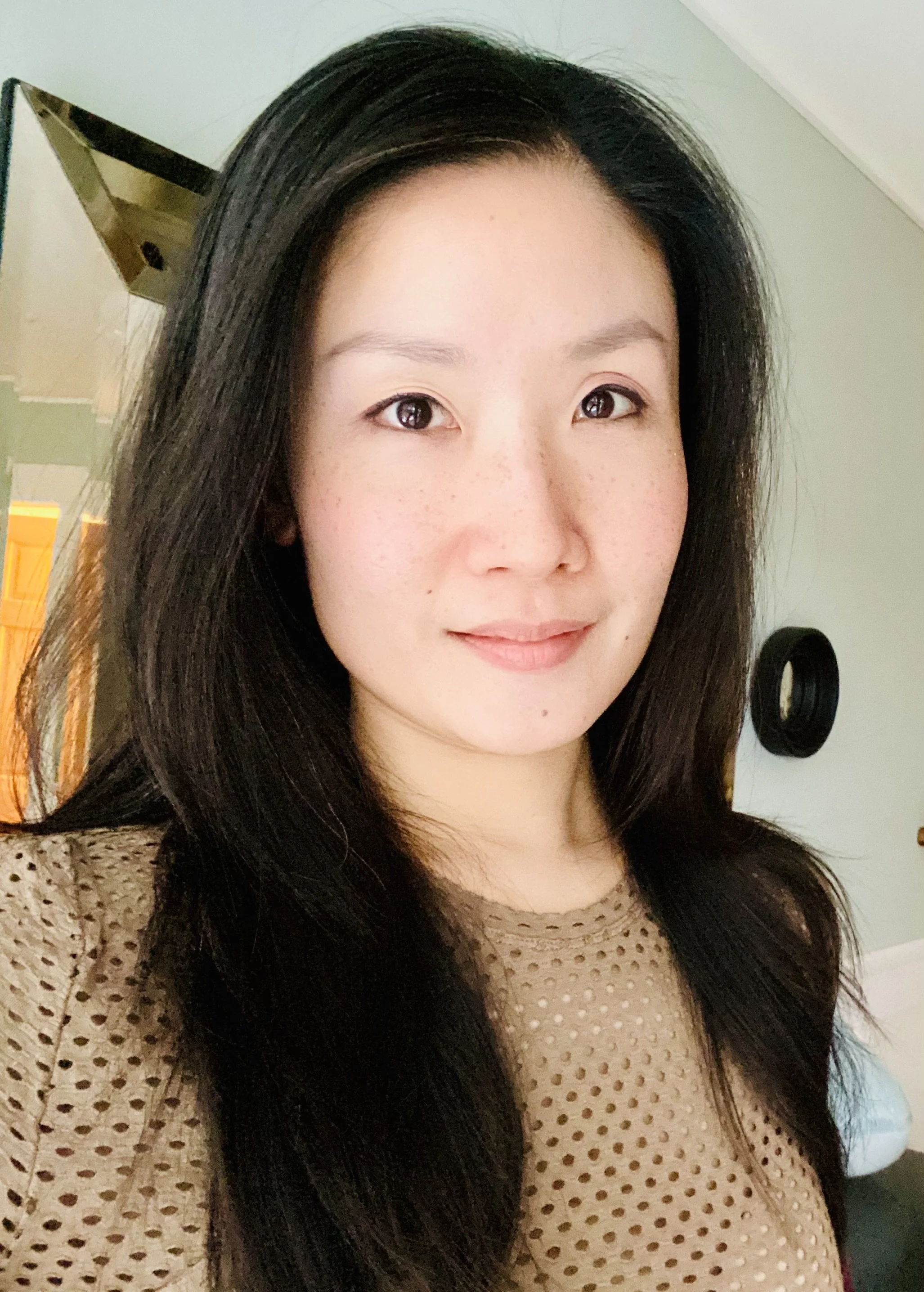
Joyce Lee, MD, CCFP, COE, BScPharm
Co-Director, Parkinson’s Foundation Center of Excellence
Lead, Geriatric Parkinson’s Assessment Program
Parkinson’s and Movement Disorders Program
Kaye Edmonton Clinic
University of Alberta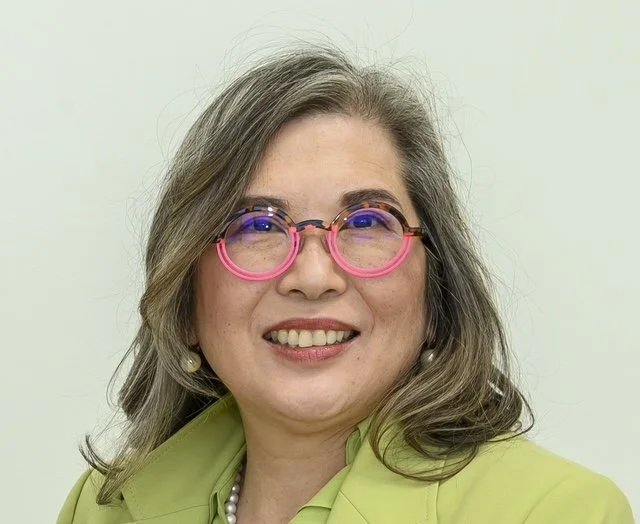
Janis M. Miyasaki, MD, MEd, FRCPC
Zone Clinical Department Head, Clinical Neurosciences
Professor, Neurology, Department of Medicine
Vice President, American Academy of Neurology